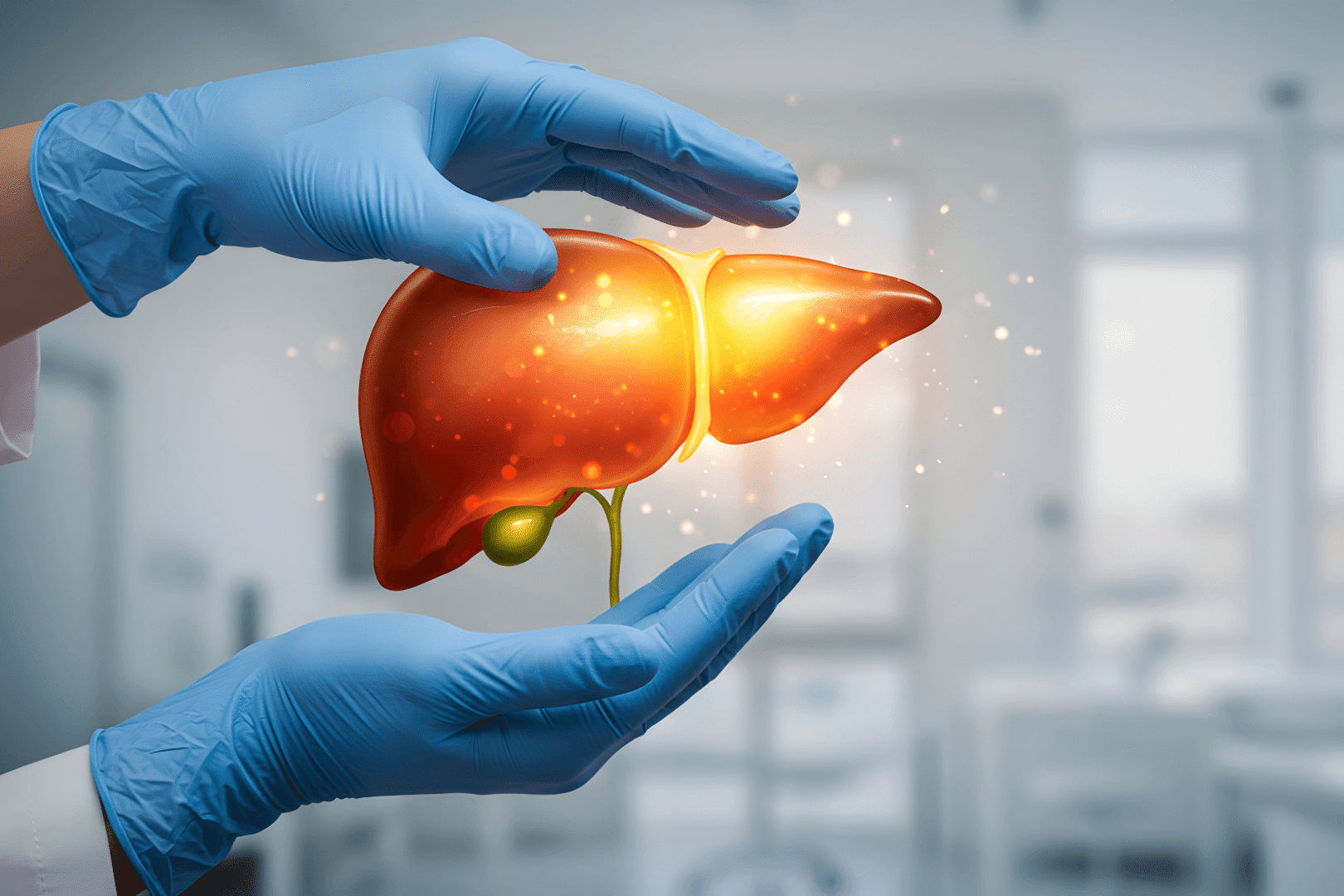
Nestled in the right upper quadrant of the abdomen, just under the diaphragm is one of the most important organs in your body: the liver.
Despite its modest size – the liver weighs about 3-pounds – the liver is the fourth largest consumer of energy among our organs. It uses roughly 200 Calories per kilogram per day, which represents about 20-30% of our total daily energy expenditure.
The liver is a critical organ responsible for a wide array of essential functions. It has an intricate structure made up of liver cells known as hepatocytes. These cells facilitate roles including metabolism, immunity, digestion, detoxification, and vitamin storage. When the liver gets damaged however, these cells can’t properly do their jobs, leading to a whole host of problems.
In this article, we’re going to focus on fatty liver disease, which is one of the most common conditions affecting the liver. We’ll discuss what causes fatty liver disease, as well as its symptoms, how-to treat it, and more!
Note: Check out our podcast on this topic here. For those interested in a fatty liver disease action plan, scroll down to the end of this article.
What Is Fatty Liver Disease?
Fatty liver disease develops when liver cells (hepatocytes) become infiltrated with excess fat. Various conditions can lead to fat accumulation in the liver, such as alcohol-related fatty liver and fatty liver of pregnancy. Significant alcohol consumption is typically defined as more than 20 grams of ethanol per day for women and 30 grams per day for men, or more than 14 standard drinks per week for women and 21 for men. For reference, a standard drink in the United States refers to a 12 oz beer that’s 5% alcohol, 5 oz wine, or 1.5 oz of an 80 proof spirit. (See our alcohol podcast here)
However, when this liver fat accumulates in the absence of such alcohol intake, but is more associated with obesity and metabolic diseases like diabetes, it is termed non-alcoholic fatty liver disease (NAFLD), or a more recently updated term, metabolic-associated steatotic liver disease (MASLD), which we will use moving forward.
MASLD is an umbrella term encompassing several stages:
- Simple steatosis, or metabolic-associated steatotic liver (MASL): Characterized by fat accumulation in >5% of hepatocytes, with or without mild inflammation. The term “steatosis” derives from the Ancient Greek “steatos,” meaning hard fat, combined with “-osis,” indicating a pathological condition.
- Metabolic-associated steatohepatitis (MASH): A more severe subtype, involving steatosis plus hepatocyte inflammation, degeneration, and cell death.
- Fibrosis and Cirrhosis: Individuals with MASH can experience progressive liver scarring (fibrosis), potentially leading to cirrhosis, which is irreversible, extensive scarring and disruption of liver architecture.
All conditions on this spectrum are strongly associated with metabolic risk factors like abdominal obesity, insulin resistance, diabetes, high blood pressure, and high cholesterol.
MASLD has reached epidemic proportions over the past four decades, now affecting an estimated 25% of adults worldwide. A smaller fraction of approximately 5-6% of adults are estimated to have MASH. The burden includes a prevalence of about 7.6% among children in general, but about 34% of children visiting pediatric obesity clinics.
It is now the most common cause of chronic liver disease worldwide and is the most rapidly increasing cause of liver-related death. Yet MASLD remains underappreciated, under-recognized, and underdiagnosed. Patients are often unaware of their condition for decades, sometimes even after cirrhosis has developed. The economic toll is substantial, currently estimated at around $100 billion annually and rising in the United States alone.
The significance of MASLD extends far beyond liver-specific complications and death; it is linked with several major risk factors for cardiovascular disease, which is the leading cause of death in individuals with MASLD. Furthermore, MASLD is associated with an increased risk of cancers and other diseases as well.
What Are The Symptoms Of Fatty Liver Disease?
The majority of patients with MASLD do not have any symptoms, i.e. they are asymptomatic. That said, some patients will report non-specific symptoms like fatigue, feeling unwell, and/or right upper quadrant pain.
Instead of presenting to the doctor with specific complaints, most individuals with MASLD are identified based on laboratory tests showing elevated liver-associated enzymes and/or evidence of steatosis on imaging like an abdominal ultrasound, computed tomography (CT), or magnetic resonance imaging (MRI) that was done for some other reason. MASLD can often be presumed when someone has been diagnosed with insulin resistance and/or type 2 diabetes mellitus.
What Causes Fatty Liver Disease? (Pathophysiology)
For many years, the “two-hit” model has been the accepted pathophysiology for fatty liver disease pathophysiology. However, there are likely multiple parallel and interacting factors leading to the disease, including genetic predisposition, gut microbiome alterations, and various metabolic, inflammatory, and fibrotic pathways.
The “Two Hit” Hypothesis of Fatty Liver Disease
The traditional “two-hit hypothesis” provides a framework for understanding how MASLD develops.
The First “Hit” involves the development of hepatic steatosis (fat accumulation in the liver), resulting from an energy imbalance where calorie intake exceeds expenditure. This imbalance causes increased delivery of fatty acids to the liver and increased synthesis of new fat within the liver (known as de novo lipogenesis). At the same time, insulin resistance in adipose tissue leads to increased breakdown and release of free fatty acids into the bloodstream, further burdening the liver. The liver’s capacity to burn fatty acids or export them on very-low-density lipoproteins (VLDL) becomes overwhelmed. Triglycerides are left with nowhere to go, leading to accumulation in the liver itself.
The Second “Hit” occurs after steatosis is established and the liver becomes vulnerable to secondary injuries. These “second hits” include oxidative stress from the metabolism of excess fatty acids. This oxidative stress damages hepatocytes, leading to inflammation (steatohepatitis), cellular injury, and cell death.
While the two-hit model has been influential, there are likely multiple parallel and interacting factors leading to the disease, including genetic predisposition, gut microbiome alterations, and various metabolic, inflammatory, and fibrotic pathways.
The Central Role of Insulin Resistance (IR) in MASLD
Insulin resistance is a cornerstone in the development and progression of MASLD. In a state of insulin resistance, peripheral tissues like muscle and adipose respond inadequately to insulin’s signal to take up glucose and suppress fat breakdown. This leads to higher insulin levels as the pancreas attempts to compensate. Insulin resistance has several detrimental consequences in the liver:
- It fails to suppress hepatic glucose production, contributing to high blood glucose.
- It fails to suppress lipolysis in adipose tissue, leading to increased circulating free fatty acids into the liver.
- It promotes de novo lipogenesis.
These effects collectively promote fat accumulation in hepatocytes. As a result, insulin resistance and diabetes are major risk factors for the progression of simple steatosis into steatohepatitis and more advanced stages of disease.
Energy Imbalance and Ectopic Fat Deposition
MASLD can be thought of as a manifestation of “energy toxicity,” where the body’s capacity to safely store excess energy is overwhelmed. When calorie intake consistently exceeds energy expenditure, body fat expands to store the surplus as triglycerides.
However, as discussed with the “Personal Fat Threshold,” individual subcutaneous adipose tissue has a limited storage capacity. Once this threshold is breached, fat “spills over” and accumulates in the liver, skeletal muscle, pancreas, and other tissues – a phenomenon known as ectopic fat deposition.
The liver is a primary site for this ectopic fat accumulation, leading to MASLD. People can also accumulate fat in the liver that, while not necessarily meeting diagnostic thresholds for MASLD, still represents a significant burden for their body size.
Lipotoxicity, Oxidative Stress, and Inflammation
The accumulation of excess fatty acids and their metabolites within hepatocytes has direct toxic effects, termed lipotoxicity. These effects disrupt cell function and damage cellular components in various ways, which then trigger inflammatory pathways culminating in steatohepatitis.
There is an important, bi-directional relationship between MASLD and type 2 diabetes. In other words, MASLD can drive the progression of type 2 diabetes, as hepatic insulin resistance and the release of hepatokines (liver-derived signaling molecules) can impair glucose metabolism. Conversely, type 2 diabetes can exacerbate hepatic fat accumulation and inflammation. Elevations in circulating free fatty acids due to insulin resistance, coupled with increased intrahepatic fat, lead to impaired glucose tolerance and worsening insulin resistance, creating a vicious cycle.
Fibrosis and Cirrhosis
Chronic liver injury and inflammation stimulate a wound-healing response in the liver. This involves an attempt to regenerate healthy liver tissue and structure; however, if the underlying injury and inflammation persist, repeated cycles of failed healing lead to scarring (known as fibrosis). This progressive fibrosis further distorts the liver’s structure and ultimately leads to cirrhosis. The risk of death from liver disease increases by 50-80 times for individuals with advanced fibrosis compared to those with MASH but no significant fibrosis.
Cirrhosis represents an end-stage, largely irreversible condition characterized by extensive scarring and impaired liver function, significantly increasing the risk of liver failure, liver cancer, and numerous other complications.
What Are the Risk Factors For Developing Fatty Liver Disease?
The major risk factors for metabolic-associated steatotic liver disease (MASLD) are, as its name points to, diseases of metabolism like obesity, type 2 diabetes, high cholesterol, and more, though there are other, non-metabolic risk factors like genetics, sex, and environmental exposures.
Metabolic Risk Factors for Fatty Liver Disease
The development of MASLD is closely intertwined with components of the metabolic syndrome, including:
- Abdominal Obesity: up to 80% of individuals with obesity potentially develop MASLD
- Type 2 Diabetes: approximately 60-70% of individuals with type 2 diabetes have MASLD. Diabetes more than doubles the risk of advanced fibrosis, cirrhosis-related complications, and liver-related death. For more on diabetes, see here.
- High cholesterol and blood pressure: These conditions also contribute to MASLD risk, although to a lesser extent
While commonly associated with elevated body mass index (BMI), MASLD can also affect individuals with a normal BMI, a condition termed “lean MASLD.” This has been estimated to impact approximately 19% of the global population. However, these individuals often carry excess abdominal fat or other metabolic risk factors, such that they may not be truly “lean”. This suggests that how our body fat is distributed and metabolic health are additional important determinants beyond BMI alone.
The concept of a “Personal Fat Threshold” suggests that health problems, including MASLD, arise when an individual’s capacity to safely store fat underneath the skin — known as “subcutaneous” fat — is exceeded, regardless of their total fat mass. When subcutaneous fat cells reach their storage limit, they become stressed, inflamed, and resistant to insulin signaling. This leads to the “overflow” of excess calories, which are then deposited as fat in and around abdominal organs like the liver and pancreas, and even within muscle. For more on this topic, see here.
Thus, so-called “lean MASLD” can occur in individuals who have a relatively low capacity for subcutaneous fat storage, leading them to exceed their personal fat threshold and deposit abdominal fat at a lower overall body weight.
Non-Metabolic Risk Factors For Fatty Liver Disease
Genetics can significantly influence MASLD susceptibility in 20-70% of individuals, but currently known genetic variants account for only 10-20% of this overall heritability.
Sex differences in adipose function and distribution may also influence disease risk. Premenopausal women tend to store more fat subcutaneously, particularly around the glutes and thighs, which is considered metabolically protective. This pattern of fat storage, influenced by sex hormones, may offer some relative protection against abdominal fat accumulation and MASLD compared with men or postmenopausal women, who tend to accumulate more abdominal fat. However, this protection is relative and can easily be overwhelmed by other risk factors.
Beyond metabolic and genetic factors, certain environmental exposures and lifestyle choices can modulate MASLD risk. These include exposure to environmental toxins and engagement in shift work, which can disrupt circadian rhythms and metabolic homeostasis. Other viral infections or autoimmune conditions can also contribute to or exacerbate liver fat accumulation.
How Is Fatty Liver Disease Diagnosed?
A significant challenge in MASLD is that despite being extremely common, most individuals, particularly in the early stages, have no symptoms and are unaware of their condition. Consequently, MASLD can remain undiagnosed for decades, potentially progressing to advanced fibrosis or cirrhosis before detection.
Abnormal liver-related blood tests such as elevated alanine aminotransferase (ALT) and aspartate aminotransferase (AST) are often the first laboratory abnormalities to raise suspicion of liver disease. However, liver enzymes can be normal in more than half of patients with MASLD, and correlate poorly with the severity of disease. Therefore, normal AST and ALT tests do not rule out MASLD or even advanced fibrosis.
Since the severity of liver fibrosis is the best predictor of liver-related illness, liver transplantation, and liver-related death in patients with MASLD, efforts have focused on identifying methods to detect and grade the severity of fibrosis.
These have mainly involved the use of fibrosis scores such as the FIB-4 index and the AST to Platelet Ratio Index. Very low scores can confidently rule out advanced fibrosis. Imaging tests such as abdominal ultrasound, elastography, or MRI scans can also assess for evidence of liver fat deposition and fibrosis.
Liver biopsy remains the “gold standard” for diagnosing MASH and staging fibrosis, although its cost, invasive nature, limitations, and risks mean it is not performed routinely in all cases.
Once MASLD is diagnosed, staging the degree of fibrosis or cirrhosis is crucial, as well as a cardiovascular risk assessment and managing other co-existing conditions.
How Is Fatty Liver Disease Treated?
The primary goal in managing MASLD is to reduce the drivers of fat deposition and fibrosis, reduce inflammation, and lower the risk of associated diseases and complications like cardiovascular disease and cirrhosis.
The primary target of managing MASLD is lifestyle modification, including dietary changes and increased physical activity.
Weight Loss For Fatty Liver Disease
Weight loss is essential for individuals with MASLD and overweight or obesity, targeting at least 5% reduction in body weight, preferably ≥10%. A 7% loss of initial body weight can lead to a 45% reduction in liver fat, with greater weight loss leading to more significant improvements in liver fat, inflammation, and other parameters.
A 2021 meta-analysis involving behavioral weight-loss programs, medications, and metabolic/bariatric surgery found a dose-response relationship between the amount of weight loss and improvement in steatosis and MASH resolution. All individuals who lost ≥10% of their body weight experienced reductions in disease activity, 90% achieved MASH resolution, and 45% showed regression of fibrosis. So, while steatosis responds to modest weight loss, reversing established fibrosis requires more significant sustained weight loss.
Dietary Changes For Treating Fatty Liver Disease
While creating an energy deficit is the primary driver for weight loss and subsequent reduction in liver fat, the quality of the diet itself also plays an important role.
Choosing the Right Types of Dietary Fats
The type of dietary fats that are habitually consumed play an important role on liver fat accumulation, distinct from overall caloric intake.
- Saturated Fat (SFA): A reduction in saturated fat intake is recommended. Overfeeding studies have shown that an excess of 1000 kcal/day from SFA for three weeks induced a greater increase in liver triglyceride content compared to similar overfeeding with unsaturated fats or simple sugars.
Even when total calories are matched, a diet high in saturated fats (20% of energy) led to an approximate 40% increase in liver fat, whereas a calorie-matched diet high in simple sugars (also 20% of energy) did not produce such an increase. This suggests high intake of saturated fats preferentially promotes liver fat accumulation. - Monounsaturated Fats (MUFA): Evidence has shown that a high-monounsaturated fat diet (providing 28% of energy, with half derived from extra-virgin olive oil) resulted in an 18% reduction in liver fat over 12 weeks in individuals with prediabetes and MASLD. This effect was observed when SFA and PUFA intake were kept relatively constant and low, suggesting impact of monounsaturated fats.
- Polyunsaturated Fats (PUFA): Diets low in saturated fats and high in polyunsaturated fats have consistently been shown to decrease liver fat. Omega-6 fats such as linoleic acid have demonstrated protective effects against liver fat accumulation when compared to saturated fat-rich diets. Omega-3 fats (EPA and DHA) from seafood has also been shown to enhance liver fat reduction and increase fat oxidation.
As a result, we generally recommend the substitution of saturated fats with unsaturated fats for liver health.
Reducing Sugar Intake
The direct impact of added sugars – that is, those sugars that do not naturally occur in foods, but instead are added to them via processing or at the table – on liver fat, especially under isocaloric conditions, appears less pronounced than that of saturated fats. For example, overfeeding with simple sugars (an extra 1000 kcal/day) for three weeks increased liver fat to a lesser degree than a similar calorie surplus from saturated fats. As noted, an isocaloric high-sugar diet did not increase liver fat, unlike a high-saturated fat diet.
However, this does not imply that high sugar intake is benign. In the context of a hypercaloric diet or a generally poor dietary pattern, excess added sugar contributes to overall positive energy balance, can drive de novo lipogenesis in the liver, and can contribute to increased production of VLDL and elevated levels of circulating remnant cholesterol, which further increase cardiovascular risk. Thus, limiting added sugars and refined carbohydrates is an important component of a liver-healthy diet.
Increasing Dietary Fiber
Epidemiological evidence suggests that higher dietary fiber intake is associated with a reduced risk of MASLD. Diets rich in fiber from fruits, vegetables, legumes, and whole grains contribute to better glycemic control, satiety, and other health outcomes, all of which are relevant to managing MASLD. For more on fiber, see Barbell Medicine Podcast episode 109.
Meal Timing & Frequency
Finally, some research has examined potential relationships between meal timing, frequency, and liver fat accumulation. Patterns of food intake, such as time-restricted eating or different meal distributions, are areas of ongoing investigation for their potential secondary roles, however overall energy balance remains the predominant factor in influencing liver fat accumulation.
Coffee
Regular coffee consumption has been consistently associated with a lower risk of MASLD and liver fibrosis. This is thought to be related to its polyphenol content providing antioxidant and anti-inflammatory effects, as well as metabolic and anti-fibrotic effects.
The optimal type and dose of coffee has not been established in prospective randomized trials; however, consuming 0-calorie coffee is preferable to commercial products containing high amounts of calories from sugar or other additives.
Physical Activity & Exercise
Physical exercise is a powerful tool for managing fatty liver disease, offering improvement through numerous different mechanisms. These include improving whole-body insulin sensitivity, improving body composition, reducing inflammation, and improving cardiovascular health and function. These benefits are further augmented when combined with the above-recommended dietary modifications.
A dose-dependent relationship exists between the volume of exercise and improvements in liver fat and body composition. In other words, the more overall exercise volume that is habitually performed, the greater benefits observed on these parameters.
Current recommendations advise meeting or exceeding the Physical Activity Guidelines for Americans (PAGA), which call for:
- 150-300 minutes per week of moderate-intensity aerobic exercise, or
- 75-150 minutes per week of vigorous-intensity aerobic exercise, or an equivalent combination.
- Additionally, muscle-strengthening activities involving all major muscle groups should be performed on two or more days per week.
Both aerobic exercise (e.g., brisk walking, cycling, swimming, rowing) and resistance training (e.g., lifting free weights, machine-based weight training) are beneficial for managing MASLD and improving metabolic health. Higher-intensity training offers comparable improvements to moderate-intensity training, making both feasible options based on individual preferences. Exercise confers significant liver benefits regardless of total weight loss.
The Barbell Medicine Beginner Prescription provides an introductory approach to meeting these guidelines.
What Medications Are Used For Fatty Liver Disease?
Historically, there have been few FDA-approved medications for fatty liver disease, although some drugs used for related conditions showed benefits. This is now changing, as emerging evidence has found treatments that offer benefit to people with this condition.
- Vitamin E: This antioxidant can be considered for the treatment of NASH in individuals without diabetes. However, there is insufficient evidence to recommend it for those with diabetes or advanced fibrosis.
- Pioglitazone: This drug improves insulin sensitivity by targeting adipose tissue and enhancing lipid storage, redistribution, and glucose utilization.
- GLP-1 Agonists: These drugs & other modern anti-obesity medicines are highly effective at generating clinically significant weight loss, often well in excess of the ~7-10% target. Semaglutide, Tirzepatide, and Retatrutide have all found a dose-dependent relationship between weight loss and decreasing liver fat and inflammation, and reversing liver fibrosis.
- Emerging Therapies: Resmetirom, a thyroid hormone receptor-beta agonist, is the first drug approved for the treatment of adults with NASH and moderate to advanced liver fibrosis.
Surgical Options For Treating Fatty Liver Disease
For eligible individuals, particularly those with significant obesity and comorbidities like T2DM, metabolic/bariatric surgery can be a highly effective intervention for MASLD.
Bariatric surgery is considered the most potent way to treat fatty liver disease, with improvements observed in approximately 90% of patients. It leads to regression of hepatic fibrosis, extends lifespan, and may reduce the risk of liver cancer. Patients with a BMI above 30 kg/m² and concomitant fatty liver disease may qualify for bariatric surgery.
For more on metabolic/bariatric surgery, see Barbell Medicine Podcast episode 252.
What Supplements Are Helpful For Fatty Liver Disease?
Various dietary supplements are marketed for liver health. Some preliminary studies may suggest potential benefits on fatty liver disease from certain supplements such as silymarin (milk thistle) or phosphatidylcholine.
However, robust evidence from large, well-designed trials showing significant and consistent clinical impact on major MASLD outcomes like progression to steatohepatitis, fibrosis, or cirrhosis is generally lacking. This is most notable when compared with lifestyle interventions or approved medications that have consistently shown far larger effects, as well as broader benefits on cardiovascular health, and the risk of other disease complications.
In addition, supplements remain poorly-regulated and are often contaminated with substances not listed on the label, many of which can lead to harmful effects. As a result, caution is advised when considering the use of supplements for managing fatty liver disease.
Take-Home Message
Fatty liver disease has emerged as a silent but prevalent health challenge. Understanding MASLD not merely as a liver-specific condition but as a manifestation of systemic metabolic dysregulation is crucial for effective prevention and management. Early detection and staging of liver fibrosis are important, as fibrosis severity dictates long-term prognosis.
Given that MASLD is often asymptomatic until advanced stages, increasing awareness is important for earlier diagnosis and intervention. Early and sustained lifestyle modifications through improving dietary patterns, increased exercise, and avoiding alcohol use, with or without additional medical treatments, can prevent the progression of MASLD, halt further liver damage, and in many cases, reverse steatosis and even early-stage fibrosis.
Steatosis appears relatively responsive to general metabolic improvements like weight loss. However, reversing established fibrosis is considerably more challenging and often necessitates more profound and sustained weight loss (e.g., ≥10% or via anti-obesity medications or bariatric surgery) or targeted anti-fibrotic therapies.
Fatty Liver Action Plan
| Intervention | Recommendation | Rationale |
|---|---|---|
| Weight Loss Target | ≥5%, preferably ≥7−10% of initial body weight | Dose-response: greater loss yields more liver histologic/cardiometabolic benefit. ≥10% loss associated with NASH resolution (90%) and fibrosis regression (45%). |
| Caloric Intake | Reduced energy intake to create a caloric deficit for weight loss and maintenance. | Primary driver for weight loss and reduction in hepatic steatosis, irrespective of specific dietary approach. |
| Saturated Fat (SFA) | Reduce intake to <10% of calories | Overfeeding SFA increases liver fat more than unsaturated fat or sugar. Isocaloric high SFA diet increases liver fat. |
| Monounsaturated Fat (MUFA) | Consider replacing SFA with MUFA, e.g., from olive oil. | High MUFA diet (28% energy, with low SFA/PUFA) reduced liver fat by 18% in one study. |
| Polyunsaturated Fat (PUFA) | Replace SFA with PUFA. Include sources of Omega-6 (e.g., plant-derived fats and oils, nuts) and Omega-3 (e.g., fatty fish). | Low-SFA/high-PUFA diets decrease liver fat. Omega-6 PUFA protective vs. SFA. Omega-3 (EPA/DHA) enhances liver fat reduction and fat oxidation. |
| Added Sugars & Refined Carbs | Minimize intake. | Excess sugar in hypercaloric states contributes to energy imbalance and de novo lipogenesis. Processed carbs/sugars promote VLDL production and remnant cholesterol. |
| Dietary Fiber | Increase intake from fibrous vegetables, fruits, legumes, and whole grains to a goal of at least 30-35 grams per day. Berries, lentils, and oats are good options. | Epidemiologically associated with reduced MASLD risk. Promotes satiety, glycemic control, gut health. |
| Alcohol | Strictly limit. | Alcohol is an independent cause of liver fat and damage. |
| Aerobic Exercise | 150-300 min/week moderate-intensity OR 75-150 min/week vigorous-intensity. | Improves insulin sensitivity, energy balance, inflammation, liver fat with dose-dependent benefits. Complements resistance exercise. |
| Resistance Exercise | ≥2 days/week, involving major muscle groups. | Improves insulin sensitivity, body composition, muscle mass, and bone health. Complements aerobic exercise. |