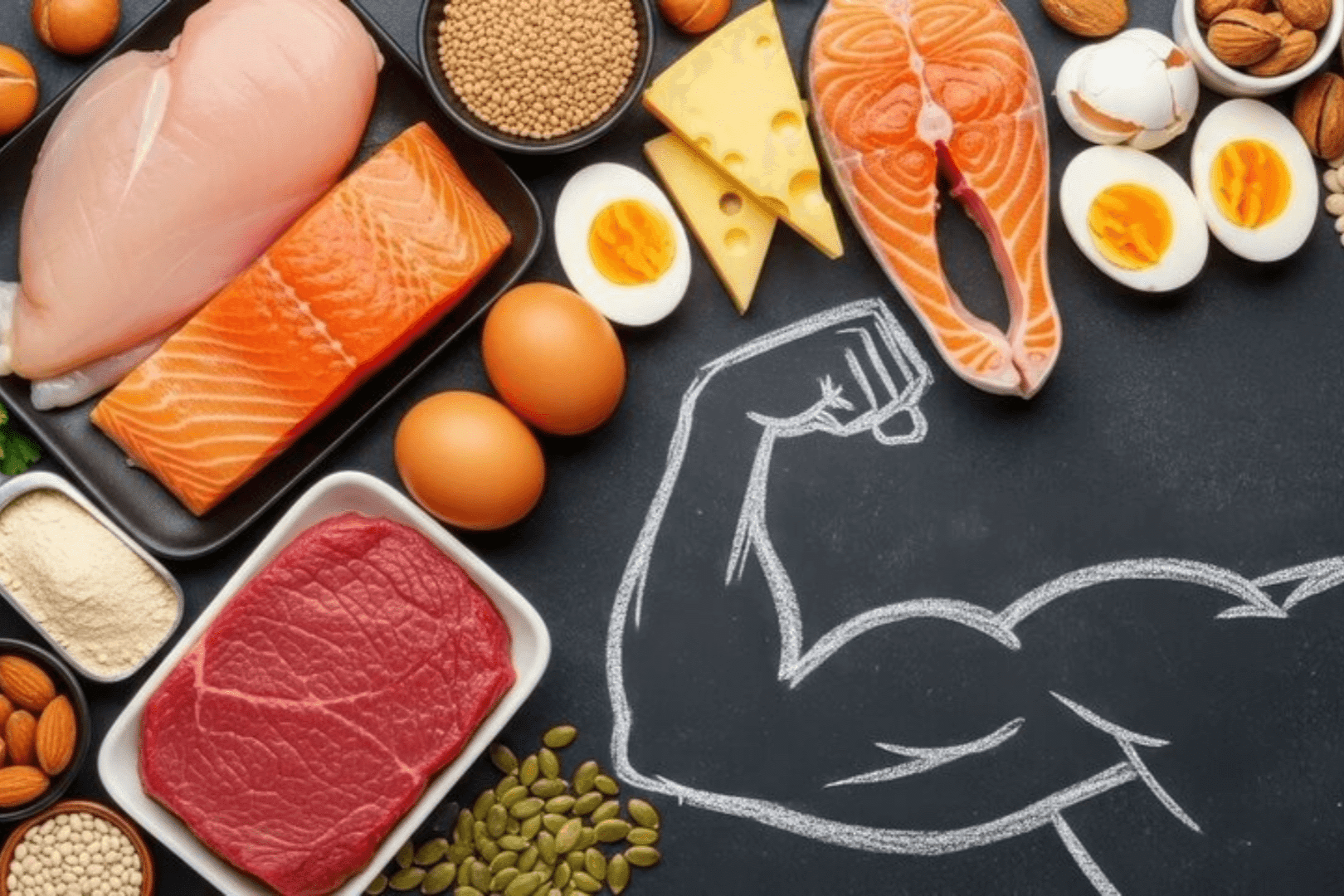
“Eat more protein!” This advice is shared everywhere and plastered all over social media. Trainers and even doctors tell us to eat more protein. Our friends and relatives may tell us they’re trying to eat more protein. Food companies are beefing up everything from waffles to bread to cookies and granola bars with extra protein. So, what is it about eating more protein that has everyone so excited?
It’s well understood that in order to reach certain fitness goals or weight management outcomes a particular diet should be followed. For example, a dietary pattern that creates a Caloric deficit is required to achieve weight loss. Euphemisms like “abs are made in the kitchen” and “you can’t out train a bad diet” are common in fitness circles and with lay people alike for exactly that reason – dietary changes are often required for weight management. Eating more protein is one lever that many people pull in an attempt to eat a more health promoting diet that encourages weight loss. But, how can eating more of something lead to weight loss?
The common claim concerning weight loss is that high protein diets are more filling than others thereby causing you to eat fewer Calories in total. This claim is pervasive in the health and fitness space, but, is there any science to back it up? And just how much protein do we need to eat for health and weight management?
In this article we’re going to explore whether or not protein is actually more filling than other foods and whether or not increasing our protein intake results in better outcomes with respect to weight loss.
Note: Want to hear more out more about this topic? Listen to Podcast #286 by clicking here.
How Much Protein Do We Need For Weight Loss?
Along with carbohydrates and fats, protein is one of the three calorie-containing nutrients termed macronutrients – or macros. Dietary protein provides the essential amino acids we need for many biological processes including building muscle, synthesizing enzymes, proper brain function, and more. Over 40% of the body’s protein is found in the skeletal muscle, another 25% is in the body’s organs, and the rest is in the skin and blood. Bodily proteins like collagen in our connective tissue, actin and myosin in our skeletal muscle fibers, and keratin in our hair are unique in their characteristics due to the number, sequence, and pattern of these amino acids that comprise their structure.
Recommended Protein Intake
The recommended dietary allowance, or RDA, is the average intake sufficient to meet the nutrient requirements of nearly all healthy people. Here’s another way to think of the RDA – the minimum intake to avoid protein deficiency in most people. For adults, the RDA for protein is 0.8 grams per kilogram of bodyweight per day. For an 80 kilogram (176 pound) person, this translates to 64 grams of protein per day. For the average person, this equates to roughly 10-15% of total daily caloric intake.
If that seems like a low recommendation to you, there are many who agree. The International Society of Sports Nutrition (ISSN) have recommendations for adults engaging in physical exercise that are significantly higher. The ISSN recommendation for adults engaging in exercise is 1.4-2.0 grams per kilogram of bodyweight per day.1 For the same 80 kilogram (176 pound) person above, the recommended protein intake jumps up from 64 grams to between 104 to 160 grams of protein per day.
Our protein guidelines are similar, as we recommend 1.4-2.2 grams of protein per kilogram of bodyweight per day for adults who are exercising. Hard-training, very lean athletes may benefit from even higher doses, but this is a more individualized consideration.
In any case, these recommendations are quite different from one organization to another. But that’s all these numbers are: recommendations. How much protein are people actually eating?
Most adults eat far more protein than the current RDA. In the US the typical adult averages 88 grams of protein per day, or 1.07 g/kg of body weight per day.2,3 About half of this protein is from animals, with whole chicken, cold cuts, and mixed meat dishes being the top three sources.4
It’s important to know these reference numbers and recommendations because when we discuss “increasing protein intake” we have to know where people are starting from. If someone is eating below the current RDA, then doubling their protein intake will likely have a much larger impact as compared to someone who increased their protein intake from 1.8 g/kg of bodyweight to 1.9 g/kg of bodyweight. Going one step further, when we say “increase protein intake” we have to know what we are increasing it to. Increasing protein intake from 0.8 g/kg to 2.0 g/kg will likely have a larger effect than increasing from 0.8 g/kg to 0.9 g/kg.
Is There Such A Thing As Too Much Protein?
More than doubling the RDA? Isn’t that too much protein? Concerns that high protein diets (HPDs) may cause damage to the kidneys, bones, or liver, or increase the risk of kidney stones, are generally not supported by evidence in healthy individuals. While HPDs were once primarily seen as beneficial only for athletes, the apparent popularity of higher protein diets has increased over the past 20 years, with many Americans agreeing that HPDs can help with weight loss.
In reality, most American adults already consume a relatively high amount of protein, typically 1.0–1.5 g/kg/d (14–16% of total energy), which is already above the current RDA. Eating patterns promoted in the 2020 Dietary Guidelines for Americans, such as the Healthy Vegetarian and Healthy U.S.-Style, equate to protein intakes 1.55- to 1.98-fold greater than the current RDA.
The premise that high protein intake increases the risk of kidney disease by forcing the kidney to deal with breakdown products like urea, leading to hyperfiltration and damage, is not supported by real evidence in those with normal kidney function. Hyperfiltration—an increase in the glomerular filtration rate (GFR)—is a normal, adaptive function of the kidney to increase solute clearance in response to a higher nitrogen load, which doesn’t represent a risk factor for developing Chronic Kidney Disease (CKD). Multiple systematic reviews and meta-analyses show that high protein consumption (averaging around 1.8 g/kg/d) has a trivial or nonexistent effect on GFR in individuals with normal kidney function and may even be protective against kidney disease.45 Similarly, the concern that HPDs increase urinary calcium loss, leading to bone loss (osteoporosis) or kidney stones, is not borne out by long-term data.
Dietary protein levels above the current RDA, provided calcium intakes are adequate, may actually be beneficial in reducing bone loss and hip fracture risk, especially in older people with osteoporosis.46 Insufficient dietary protein may be a more severe problem than excess protein in the elderly. Regarding kidney stones, total protein intake is generally not associated with increased risk. The risk for kidney stones is more closely associated with the overall dietary pattern, with high-potassium foods like fruits and vegetables, and increased fluid intake potentially reducing risk.47, 48 Finally, while protein metabolism produces ammonia, which is eventually converted to urea for excretion, the short-term increase in blood ammonia from an HPD is unlikely to rise to harmful levels in a healthy person with normal liver function.49 Overall, increased dietary protein intake above the RDA appears to be safe, well-tolerated, and likely beneficial for strength and muscle gains.
Note: Want to hear more out more about this topic? Listen to Podcast #248 by clicking here.
Now that we have a better idea about how much protein we need and dispelled some HPD myths, let’s address one of the big reasons people are recommending increasing protein intake for weight management: protein is more filling so you consume fewer Calories overall and lose weight.
Appetite, Satiety, and Weight Regulation
Before we can answer the question of whether or not protein is in fact more satiating, we should come to an understanding of what satiety is. And in order to understand satiety, we must also understand appetite. Appetite and satiety can be considered opposing forces influencing our food-related behaviors.
Appetite is the subconscious integration of biological, psychological, social, and environmental factors resulting in the conscious experience of hunger. Appetite is driven by very powerful, subconscious processes in an effort to ensure that energy intake meets energy requirements as well as desires for certain types of foods. In the presence of these signals we seek out both Calories and certain types of foods.
On the flip side, we have satiety. Satiety is the feeling or state that inhibits further eating. Satiation occurs at the time of eating and refers to the processes leading to the termination of a meal. This is due to the cumulative effect of hormonal, digestive, cognitive, and sensory appetite-inhibiting signals. It’s best to think of this as a cascade of signals that inhibit appetite. In the presence of these myriad signals, we stop eating.
The signals for both appetite and satiety are primarily subconscious, so this is beyond our choice. Whether hunger or satiety predominate, a corresponding food-behavior follows – either we eat or we stop eating.
From our experience eating a variety of different foods we know that some foods provide a larger satiating effect than others. The failure of a food or meal to provide satiety despite providing adequate Calories is an important mechanism of obesity. For example, sugar sweetened beverages like soda provide between 100-200 Calories per serving but do not provide much in terms of satiety.
In a perfect world, the presence of excess energy stores, like body fat, would produce early satiation during a meal and long-lasting satiety between meals, ultimately leading to a normalization of body weight and body fat. Essentially, the body would detect that we have ample Calories stored in our adipose so it would send us signals to eat less food. Unfortunately, this doesn’t seem to be the case in most people with overweight and obesity. Two factors likely determine this mismatch in signalling: the individual’s genetics and the food environment that makes high Calorie foods that aren’t very satiating easily available and desirable.
One of the reasons that increased protein intake is often recommended is that a high protein content food or meal is usually more satiating. The idea here is that a more satiating meal would cause people to eat less food thus promoting weight management or weight loss. Here-in lies the real question we have. Does eating more protein result in fewer calories consumed and better weight management?
There are three potential mechanisms that have been explored in the research to answer the question: is protein uniquely more satiating than other foods? These studies focus on how protein affects levels of gut-derived satiety hormones, increased levels of circulating amino acids in the blood, and levels of gluconeogenesis.
The Science Behind Protein and Weight Loss
As mentioned above, increased protein intake is said to increase feelings of fullness or satiety via several mechanisms. They are:
- Increased levels of gut-derived satiety hormones
- Increased levels of circulating amino acids in the blood
- Higher levels of gluconeogenesis
This section is going to get into the weeds a bit with regard to human physiology and biochemistry; if you just care more about outcomes, scroll down a bit to the next section! Otherwise, stay, read, nerd out with us.
Increased Satiety and Reduced Cravings: Hormonal Factors
There are short and long-term hormonal signals influencing hunger, satiety, and subsequent energy intake. In Greek, orexin means appetite, so hormones that increase satiety and reduce appetite are called anorexigenic hormones, where those that increase appetite and decrease satiety are orexigenic.
Short-term hormones include:
- Cholecystokinin (CCK): a hormone made in cells of the small intestine and intestinal nerves. It stimulates gallbladder contraction, inhibits emptying of the stomach, and promotes satiety.
- Peptide-YY (PYY): a hormone made by cells in the small intestine. It inhibits the release of pancreatic enzymes and acid in the stomach as well as intestinal motility. It promotes satiety.
- Glucagon-Like Peptide I (GLP-1): a hormone made by cells in the small and large intestine and function to stimulate cell growth in the GI tract, inhibit intestinal motility, and influence insulin and glucagon release. It promotes satiety, but circulates at relatively low levels.
If GLP-1 sounds familiar, it’s because this hormone is targeted by GLP-1 receptor agonists like semaglutide. This means the medication binds to the GLP-1 receptors, which are mostly in the brain in areas dealing with appetite, satiety, and food-related behaviors. Levels of GLP-1 obtained through medication are also much higher than those made by the brain or gut. Interestingly, mice who don’t make any gut-derived GLP-1 do not have increased food intake or bodyweight, thus it is thought that gut-derived GLP-1 is not essential for controlling food intake or weight. Rather, GLP-1 made by the brain seems to be more important for food-related intake.6
To summarize, CCK and PYY are short-term or episodic satiety hormones. The available evidence suggests higher dietary protein content in a meal increases these hormones. To the extent that gut-derived GLP-1 is a satiety promoting hormone, protein intake also tends to increase that too.7, 8, 9
So here we have one signal indicating that higher protein intakes is associated with increased satiety via levels of these hormones – at least in the short term. If the question is simply “does increasing protein intake increase satiety-related hormones” then the answer is clearly yes.
While this is promising, we’re really interested in the outcomes associated with increases in dietary protein such as helping people eat fewer Calories and lose more weight and body fat. For that answer, we’ll have to keep digging.
Two hormones not mentioned in this discussion are ghrelin and leptin. These two hormones are often discussed around satiety and appetite but their role in obesity, weight management, and satiety is misunderstood.
Leptin is a hormone made by body fat, or adipose tissue, in proportion to the amount of body fat an individual carries. The more body fat someone has, the higher the leptin level they’ll have. It was once thought that leptin was another satiety hormone acting in the medium to long-term. The thought was that high body fat levels would signal to the brain that there was too much body fat being stored and therefore increase feelings of fullness as a result to reduce Caloric intake. As mentioned in the earlier discussion of satiety and appetite, we see this isn’t necessarily the case in people with overweight and obesity. High levels of leptin do not reduce hunger or Calorie intake in individuals with obesity. This finding has been described as leptin resistance, where the body’s response to increasing levels of leptin is less than predicted.
Multiple different takes on this theory have been promoted over the past 25 years. Issues with the leptin transporter, obesity-induced changes to neural cells responding to leptin, and others have been suggested. The specific mechanisms for leptin resistance remain unknown.10 Even when researchers gave people exogenous leptin, there was little to no effect on appetite, energy intake, or body weight.11 To date, studies consistently find little association with elevated or increasing leptin levels and reduced appetite.
Instead, low levels of leptin reflect reduced body fat stores and strongly promote food-seeking behavior, reduced physical activity, and increased hunger signaling in conjunction with other hormones. This has been shown during periods of starvation and in individuals with anorexia nervosa.12 Overall, the data suggests that leptin’s strongest functions occur when levels are low, rather than when they are high which have implications for weight gain, but not weight loss.
Ghrelin is another hormone of interest with regards to protein intake. Ghrelin is a hormone made by cells in the small intestine and stomach. Ghrelin levels rise during fasting and decrease immediately after eating. It acts primarily on an area of the brain called the hypothalamus to promote hunger and food intake, though it also increases how fast the stomach empties as another mechanism of increased appetite. Ghrelin levels tend to increase during periods of fasting between meals and decrease after eating.13 In general, most studies show that protein intake reduces ghrelin as a mechanism to reduce appetite. So, while not directly increasing satiety, protein reduces ghrelin thus reducing appetite.
Let’s look at another proposed mechanism for protein to increase satiety.
Increases in Amino Acids in the Blood: The Aminostatic Theory
All dietary protein gets broken down into short peptides and single amino acids during digestion. These amino acids are the building blocks that combine by the hundreds and thousands to make up actual proteins like collagen, elastin, actin, and myosin. Once in the small intestine, these individual amino acids and short peptides are absorbed into the bloodstream of the portal vein, which then takes them to the liver for further processing and utilization.
There are some that believe that eating higher protein meals would produce higher levels of amino acids in the blood, which then would increase feelings of fullness.
For example, it was thought that a greater concentration of the amino acid tryptophan in the bloodstream might increase levels of the neurotransmitters serotonin and dopamine, thereby affecting appetite and satiety at the level of the brain. However, there’s no real evidence that eating a higher protein diet does this compared to eating a Calorie-matched meal with lower levels of protein.
Another theory, called the aminostatic theory, predicts that a rise in amino acids within the bloodstream in general will decrease appetite.14 However, this theory is not well supported because fasting blood levels of amino acids are not associated with appetite and an increase in amino acids within the bloodstream isn’t consistently associated with satiety either.15 This mechanism does not appear to contribute to any feelings of fullness or reduced Calorie intake from dietary protein.
The last mechanism has to do with a process known as gluconeogenesis.
Blood Sugar Control and Insulin Sensitivity
Gluconeogenesis is the creation of new glucose, or sugar, from different precursors. Amino acids are one of these non-carbohydrate precursors that can be used to create new glucose. There are two claims as to why this may make increased protein levels helpful for fat loss – increased satiety and increased energy expenditure. Some claim that eating a high protein diet increases the rate of gluconeogenesis, and because this process is very inefficient, it costs the body a lot of energy thereby increasing energy expenditure. It’s also claimed that the increased production in glucose may help maintain blood sugar levels, thereby contributing to satiety.16
While there’s some data showing higher rates of gluconeogenesis with a higher protein diet, there’s not really a consistent relationship between the increase in gluconeogenesis and appetite ratings.17
So, while there is some scientific basis for these claims, they haven’t shown to actually produce the outcomes we are concerned about: decreased energy intake leading to better weight management.
At this point, only one of these three mechanisms show any promise with regard to protein and satiety. While certain short term hormones associated with satiety increase after protein is eaten, we need to investigate whether or not this actually promotes the outcome we truly care about – weight loss and weight management.
Examining these mechanisms can help to inform decisions, but perhaps it would be better to stop looking for how a higher protein diet works for controlling appetite, and start looking at if a high protein diet actually helps with weight loss.
Does Increasing Protein Intake Help With Weight Loss?
Let’s revisit the intro to this entire article and the reason why many are attempting to eat more protein. This dietary approach is often taken by those seeking to improve their body composition or to lose fat. Unless you’re a gut-hormone researcher or physiology nerd, we don’t really care how filling protein is in a single meal. What we really want to know is if adopting a high protein dietary pattern reduces Caloric intake over days, weeks, and months, subsequently producing greater weight and fat loss, preventing weight regain, and so on.
In this regard, it is of more clinical utility to focus on the data regarding that specific outcome: Calories consumed and changes to body weight in response to higher protein intakes.
A classic study from the 90’s had subjects rate their satiety after eating 38 different foods. Researchers crunched the data to produce a satiety index, where higher levels of protein, fiber, and water content in the food correlated with higher satiety ratings, and foods with higher levels of sodium, fat, or added sugar were less satiating.18
This information helps with selecting more satiating foods. When it comes to increasing protein intake we have to know where people are starting from and how high we are increasing protein to. One of the issues with research in this field is that there is no agreed upon definition of what a high protein diet actually is.
Some have suggested that anything higher than the RDA of 0.8g/kg of body weight per day should be considered high, though this would mean that most Americans are eating a high protein diet already. Others have suggested that a diet where > 25% of daily Calories come from protein is high, and if it’s greater than 35%, it’s extremely high. There’s no agreed upon cutoff here, which can make the data a bit confusing to interpret. Let’s keep that in mind when evaluating the results of these studies.
Does a Higher Protein Intake Increase Weight Loss Without Calorie Restriction?
Ad libitum diets are those where the Calories are not explicitly restricted. Instead, folks are instructed to eat as much as they would like from a given set of foods.
In one 1999 study,19 65 adults with overweight or obesity ate one of 3 diets over a 6-month period:
- A high protein diet – 25% of daily Calories were from protein
- A high carb diet – only 12% of daily Calories were from protein
- A control diet in which people were instructed to keep eating their normal diet
Subjects were instructed to eat to their desired fullness. In other words, they were not instructed to reduce intake. Over the 6 month period, the high protein group lost 8.9kg in total weight and 7.6kg of fat, whereas the high carb group lost 5.1kg of total weight and 4.3kg of fat after 6 months. 35% of the participants in the high protein group lost 10kg or more, whereas only 9% in the high carb group lost more than 10kg.
This seems like a win for Big Protein – but bear in mind both groups lost fat. This is just one study, does the rest of the body of evidence agree?
A 2020 systematic review & meta-analysis20 – a study of studies – compared the effects of an ad libitum high or normal protein diet on weight management and body composition. The research group pooled the data of 10 studies including over 1,000 adults to find smaller, but similar results to the 1999 study mentioned above.
Both groups lost weight and there wasn’t a big difference between those who ate on the higher end vs. the lower end of protein intake. However, the higher protein group did tend to preserve more lean body mass while losing weight – more on this below. As far as the satiating effect of protein, the authors found that a more pronounced effect was noted during shorter duration studies and the effect seems to become minimized as time goes on.
It seems that while increased protein intake can aid in weight loss, it does not do so if care is not taken to reduce total Caloric intake. The important thing about these particular studies is that the participants were not placed in a Caloric deficit. It is well understood that a Caloric deficit is required for weight loss. Let’s see how that plays out with higher protein intake.
Higher Protein Diets Improve Weight Loss and Muscle Retention With Calorie Restriction
We do see differences between higher protein intakes and outcomes regarding weight management and fat loss when people are in a Caloric deficit. In addition to this, higher protein diets may also aid in preserving lean body mass – think muscle – when losing weight on a diet.
A 2012 systematic review & meta-analysis21 of 24 randomized controlled trials compared energy restricted high protein diets with energy restricted standard protein diets. These 24 trials involved around 1,000 participants and averaged about 12 weeks in length. They compared these diets in terms of weight management, body composition, and various health parameters. This study found that:
- The high protein diets averaged between 1.1 and 1.6 g/kg/day (about 30% total daily energy intake)
- The standard protein diets averaged around 0.6 to 0.8 g/kg/day (about 20% total daily energy intake)
- The energy difference between the two diets was about 300 Calories, with the high protein diet groups eating 300 Calories less on average than the standard protein group
- The high protein diet groups lost an average of 0.8kg more of total body weight than the standard protein group
- The extra 0.8kg lost was mostly fat mass
- The high protein groups retained an average of 0.5kg more lean body mass than the standard protein group
- Triglycerides were about 20 mg/dL lower in the high protein group
- The resting energy expenditure was also about 300 Calories/day higher in the high protein group, which could be due to the retention of muscle
In short, the high protein group ate almost double the protein while consuming around 300 fewer Calories per day resulting in more fat loss, better muscle retention, and overall health improvement. This study seems to point us in the right direction with our big question: do higher protein intakes result in fewer Calories consumed and weight loss – yes.
Another 2012 systematic review & meta-analysis22 of 74 randomized controlled trials compared energy restricted high and standard protein diet saw similar results but the differences in outcomes were smaller:
- The high protein groups lost just under a pound more than the standard protein groups
- There were additional smaller benefits like a reduction in waist circumference and reduced resting blood pressure, but these benefits were so small in size that they may not be clinically significant
Another win for Big Protein. It seems that eating a higher protein diet may have small, but significant effects on how much weight you lose while in a Caloric deficit and may help you retain more muscle during your weight loss efforts.
Another important note, it does appear that eating more protein could aid in preventing weight regain after a period of weight loss.
In a weight regain study of 113 adults with overweight who previously lost 5 to 10% of their initial body weight, the group consuming a higher protein diet – about 1 scoop of whey protein more per day – regained 0.8kg over 6 months, whereas those not getting the protein shake regained an average of 3kg.23
To summarize the previous 2 sections, it seems that higher protein intakes are associated with small but significant reductions in total Calories consumed, more fat loss during a weight loss diet, and more muscle retention during a fat loss diet. The advice to eat more protein when trying to lose weight seems to hold up here!
Top Sources of Protein For Weight Loss
We can consume dietary protein from a wide variety of sources to meet our daily protein needs. It is worth noting, however, that not all protein sources are equal in their amino acid profile, saturated fat content, carbohydrate content, and total calorie content. In that regard, it becomes important where you get your protein from as it can have implications for your overall health and achieving fitness or weight loss goals. Let’s dive into a few sources of dietary protein to maximize your health and weight loss results.
Lean Animal Proteins
All proteins from animal sources such as poultry, beef, or pork are called complete proteins. This means that they contain all of the essential amino acids that must be consumed in the diet in appropriate quantities making them a good choice for muscle building and dieting for weight loss. That being said, animal proteins can also be sources of saturated fats.
Most sound advice on health promoting dietary practices promotes a reduction in saturated fat intake. Specifics surrounding the biochemistry of saturated fats and their effects on human physiology and health are beyond the scope of this article. To reduce saturated fat intake, we recommend focusing on leaner cuts of animal proteins.
Lean cuts of meat would include chicken or turkey breast over thighs or wings, pork tenderloin over pork chops or bacon, and a sirloin or filet over a ribeye steak. Focusing on leaner cuts of meat will not only reduce saturated fat content but will also reduce the total Calories from that particular food source. By choosing leaner animal proteins, you are ensuring that the majority of the Calories coming from your protein source are indeed from protein.
Dairy and Eggs
Dairy and eggs represent two more animal based protein options that are considered complete proteins. Dairy and eggs can be an excellent source of protein for “lacto-ovo” vegetarians and meat-eaters alike.
While these are complete proteins, we still recommend being mindful of total Calorie and saturated fat intake of these foods. For example, non-fat Greek yogurt and sharp cheddar cheese are both dairy products that contain protein but their macronutrient profile, protein content, and Calorie content are very different. These foods can absolutely be part of an overall health promoting diet and are great sources of complete protein – we just recommend opting for the lower fat options to keep total Caloric intake in balance and saturated fat on the lower end of the recommended range.
Plant-Based Proteins
Plant-based foods are another protein source that can help people reach their daily protein intake goals. The one note regarding plant-based proteins is that not all of them are complete proteins. Some plant-based proteins are incomplete – meaning they lack at least 1 essential amino acid in sufficient quantities.
This isn’t the case for all plant-based proteins, however. For example, tofu, quinoa, and chia seeds contain all the essential amino acids in adequate quantities.
Incomplete sources of plant protein include nuts, seeds, and most legumes. If the majority of your diet comes from these incomplete sources, we recommend varying what types of foods you’re eating to ensure you are getting all of the essential amino acids.
Plant-based sources of protein may also come packed with other nutrients. Legumes for example are great sources of carbohydrates and fiber. Nuts and seeds are great sources of monounsaturated and polyunsaturated fats. This also means that these foods contain Calories from other macronutrients – fats and carbohydrates, not just protein. So, just like with the animal based proteins care should be taken to monitor total Caloric intake of these foods if weight management is a concern.
Protein source, whether plant or animal-based, does not appear to influence strength, hypertrophy, or other training outcomes provided the correct amount of protein is being consumed.
Protein Supplements: When and Why to Use Them
It is entirely possible to meet your daily protein needs without the use of supplements. That being said, a protein supplement can be useful for some to quickly add 20-30 grams of high quality, complete protein to your diet.
Protein supplements are typically made of a dairy derivative, like whey or casein protein, but also come from vegetarian sources like soy, rice, pea, or a blend of several plant-based sources. All can work equally well if taken at the doses recommended in this article.
For those choosing to use a protein supplement, we recommend selecting one that is produced by a manufacturer that follows FDA regulations around current Good Manufacturing Practices (cGMP) and is 3rd party tested to avoid unwanted contamination. Other markers of a good protein supplement include being under ~120 Calories, having ~20g of protein per serving, and no evidence of protein spiking with added glutamine, creatine, taurine, or glycine.
For those interested in a high quality whey protein isolate, our WheyRx Protein has between 20-21 grams of protein and only 90 calories. We have complete transparency of our ingredients and don’t include proprietary blends so you know exactly what is in our product. We are also 3rd party certified and Good Manufacturing Practices (cGMP) accredited.
Addressing Common Protein and Weight Loss Questions
Will Eating More Protein Make Me Bulky?
A common misconception of higher protein diets is that they make people look “bulkier.” High protein diets and protein supplementation are popular and very common in bodybuilding and powerlifting circles alike, so many people associate these types of diets with the look of a large bodybuilder. This outcome is unlikely to occur simply from eating more protein, but there is an important note that this question brings up.
Weight management always comes back to Calorie balance. A surplus of Calories generally leads to weight gain and a deficit of Calories generally leads to weight loss. Foods that contain protein also contain calories. If you are adding in more protein but removing nothing else, you are definitely at risk for increasing your total Caloric intake. It may be important to be mindful of removing Calories from other food sources to make sure you aren’t in a Caloric surplus.
To avoid “bulking up” from increasing your protein intake take care to remove some fats and/or carbohydrates from your diet in order to maintain Calorie balance.
How Does Protein Fit into Different Diet Plans (Keto, Vegetarian, Vegan)?
Protein should be a part of every health promoting dietary pattern. What changes from diet to diet, however, is the amount of protein consumed and possibly what types of foods the protein is coming from.
A ketogenic diet typically consists of very high relative amounts of fat in the diet followed by moderate protein intake and very low relative amounts of carbohydrates. Most dietary proteins with minimal carbohydrates would fit into this dietary pattern.
Vegetarian and vegan diets also should contain adequate protein intake to support health and physical activity goals. Vegetarians typically still consume eggs and dairy, so they have much more versatility when it comes to protein intake. Vegans, however, who do not consume any animal products may have more difficulty eating enough protein. In this case, it may be beneficial to consider a vegan protein supplement. All of that said, vegetarians and vegans can certainly meet their protein needs with non-animal sources, it may just take some extra care.
Regardless of the dietary pattern chosen, we still recommend the same total protein intake per day to optimize results from exercise and to support a healthy body weight. These recommendations are summarized at the end of the article.
What About Digestive Issues from High Protein Intake?
Some folks report having issues with digestion or symptoms related to a GI disturbance from high protein diets –bloating, pain, nausea, diarrhea, etc. This is a very individualized experience whereas some people can consume very high levels of protein without any issue and others can have issues with more moderate levels. It may be appropriate to consult with a qualified healthcare provider – such as a registered dietitian – about these digestive issues. This will ensure you not only achieve adequate nutritional intake but also eat the right foods for your body.
If you experience gastrointestinal distress from high protein intake, consider a consultation with a registered dietitian from Barbell Medicine.
Conclusion: The Power Of Protein (Kinda)
Increased protein intake seems to be a useful lever to pull when trying to adjust the dietary pattern to one that promotes weight loss and muscle maintenance.
We’ve gone through a lot of science and information to get here, which can be summarized in three main points:
- Eating more protein may result in people spontaneously eating fewer Calories, thereby supporting improved weight loss and overall weight management
- Eating just a little more protein likely increases the amount of weight and body fat people lose when they’re trying to eat in an Caloric deficit
- Eating a higher protein diet definitely seems to support muscle mass growth and maintenance better than a lower protein diet
These points aren’t controversial or making headlines, but good nutritional advice seldom does. They also don’t really answer the question of whether or not protein is uniquely satiating in the long-term, thereby leading to better weight management. If the question was simply, does a protein intake higher than the RDA lead to better weight management, then the answer is clearly yes. However, the question of protein causing higher levels of satiety long-term, thereby producing better weight management is more complex.
Hundreds of studies confirm a modest satiety effect with high protein meals when using the visual analogue scale right after eating. However, when these studies also measure energy intake at the next meal, there’s not a reliable effect of increasing protein. Research is needed to examine whether the satiety effects of protein promote voluntary reductions in energy intake and improved body weight management over the long term.
Given the limitations of the research, we cannot yet confidently say that more protein = more satiety. While various gut-derived satiety hormones increase with more protein at a meal this doesn’t reliably correlate with someone consuming fewer Calories in the next meal or in the whole day.
A potential mechanism that explains the phenomenon of eating fewer Calories with a higher protein diet is simpler – higher protein intakes may be displacing highly palatable, highly rewarding foods with lower Calorie options. By adopting a higher protein diet, people may be invariably choosing a healthier dietary pattern overall that limits the foods that people tend to overeat.
There’s some evidence that higher protein meals tend to be less tasty or palatable than lower protein meals. These meals may not trip any of the sensory-mediated food reward mechanisms we see with regular consumption of ultra-processed foods with added sodium, added sugar, and/or added fat.
As discussed in the beginning, most people are consuming more protein than advised per the RDA. However, the general quality of the diet is low based on relatively low levels of fiber-containing foods like fruits, vegetables, legumes, and whole grains, and inclusion of many ultra-processed foods containing added sugars, added sodium, and added fat. Getting these individuals to increase their dietary protein intake by including lean protein sources can lead to multiple additional changes in the dietary pattern, such as shifting towards lower Calorie sources of protein and reducing the intake of ultra-processed foods.
Combining these mechanisms together with better support of muscle mass, and the addition of protein to the diet helps improve weight management.
As far as take-home recommendations go, a reasonable recommendation would be to adopt a protein intake similar to the aforementioned ISSN level and inline with our protein guidelines. This would mean a near-doubling of the RDA’s protein intake level, aiming for somewhere in the 1.4 to 1.6 grams of protein per kilogram bodyweight level. Within that, each meal should have about 25 to 40 grams of total protein minimum, to not only reach the threshold for muscle protein synthesis, but also to provide a decent short term satiety signal, however the minimum threshold of protein per meal to trigger satiety is unknown.
A focus on creating a food environment that facilitates getting an extra 30 to 50 grams of protein per day in the dietary pattern and supporting behaviors is good practice. The potential mechanisms by which this works are interesting, but don’t provide a very strong mechanism for which this works beyond supporting lean muscle mass.
There isn’t good evidence that increasing intakes above this recommended level of 1.4-1.6 grams of protein per kilogram of bodyweight works better beyond satisfying someone’s personal preference. However, there is a chance that eating very high protein levels above this mark may displace other foods like fruits, vegetables, legumes, or whole grains.42,9,43,44
References
- Jäger, R., Kerksick, C.M., Campbell, B.I. et al. International Society of Sports Nutrition Position Stand: protein and exercise. J Int Soc Sports Nutr 14, 20 (2017). https://doi.org/10.1186/s12970-017-0177-8
- McDowell, M. A., Fryar, C. D., Ogden, C. L., & Flegal, K. M. (2008). Anthropometric reference data for children and adults: United States, 2003–2006. National health statistics reports, (10), 1–48.
- Austin, G. L., Ogden, L. G., & Hill, J. O. (2011). Trends in carbohydrate, fat, and protein intakes and association with energy intake in normal-weight, overweight, and obese individuals: 1971-2006. The American journal of clinical nutrition, 93(4), 836–843. https://doi.org/10.3945/ajcn.110.000141
- Pasiakos, S. M., Agarwal, S., Lieberman, H. R., & Fulgoni, V. L., 3rd (2015). Sources and Amounts of Animal, Dairy, and Plant Protein Intake of US Adults in 2007-2010. Nutrients, 7(8), 7058–7069. https://doi.org/10.3390/nu7085322
- Bellisle, F., Drewnowski, A., Anderson, G. H., Westerterp-Plantenga, M., & Martin, C. K. (2012). Sweetness, satiation, and satiety. The Journal of nutrition, 142(6), 1149S–54S. https://doi.org/10.3945/jn.111.149583
- Smeets, A. J., Soenen, S., Luscombe-Marsh, N. D., Ueland, Ø., & Westerterp-Plantenga, M. S. (2008). Energy expenditure, satiety, and plasma ghrelin, glucagon-like peptide 1, and peptide tyrosine-tyrosine concentrations following a single high-protein lunch. The Journal of nutrition, 138(4), 698–702. https://doi.org/10.1093/jn/138.4.698
- Roberts, J., Zinchenko, A., Mahbubani, K., Johnstone, J., Smith, L., Merzbach, V., Blacutt, M., Banderas, O., Villasenor, L., Vårvik, F. T., & Henselmans, M. (2018). Satiating Effect of High Protein Diets on Resistance-Trained Subjects in Energy Deficit. Nutrients, 11(1), 56. https://doi.org/10.3390/nu11010056
- Belza, A., Ritz, C., Sørensen, M. Q., Holst, J. J., Rehfeld, J. F., & Astrup, A. (2013). Contribution of gastroenteropancreatic appetite hormones to protein-induced satiety. The American journal of clinical nutrition, 97(5), 980–989. https://doi.org/10.3945/ajcn.112.047563
- Leidy, H. J., Clifton, P. M., Astrup, A., Wycherley, T. P., Westerterp-Plantenga, M. S., Luscombe-Marsh, N. D., Woods, S. C., & Mattes, R. D. (2015). The role of protein in weight loss and maintenance. The American journal of clinical nutrition, 101(6), 1320S–1329S. https://doi.org/10.3945/ajcn.114.084038
- Izquierdo, A. G., Crujeiras, A. B., Casanueva, F. F., & Carreira, M. C. (2019). Leptin, Obesity, and Leptin Resistance: Where Are We 25 Years Later?. Nutrients, 11(11), 2704. https://doi.org/10.3390/nu11112704
- Flier, J. S., & Maratos-Flier, E. (2017). Leptin’s Physiologic Role: Does the Emperor of Energy Balance Have No Clothes?. Cell metabolism, 26(1), 24–26. https://doi.org/10.1016/j.cmet.2017.05.013
- Herpertz, S., Albers, N., Wagner, R., Pelz, B., Köpp, W., Mann, K., Blum, W. F., Senf, W., & Hebebrand, J. (2000). Longitudinal changes of circadian leptin, insulin and cortisol plasma levels and their correlation during refeeding in patients with anorexia nervosa. European journal of endocrinology, 142(4), 373–379. https://doi.org/10.1530/eje.0.1420373
- Cummings, D. E., Frayo, R. S., Marmonier, C., Aubert, R., & Chapelot, D. (2004). Plasma ghrelin levels and hunger scores in humans initiating meals voluntarily without time- and food-related cues. American journal of physiology. Endocrinology and metabolism, 287(2), E297–E304. https://doi.org/10.1152/ajpendo.00582.2003
- Veldhorst, M. A., Nieuwenhuizen, A. G., Hochstenbach-Waelen, A., Westerterp, K. R., Engelen, M. P., Brummer, R. J., Deutz, N. E., & Westerterp-Plantenga, M. S. (2009). Effects of complete whey-protein breakfasts versus whey without GMP-breakfasts on energy intake and satiety. Appetite, 52(2), 388–395. https://doi.org/10.1016/j.appet.2008.11.014
- Moon, J., & Koh, G. (2020). Clinical Evidence and Mechanisms of High-Protein Diet-Induced Weight Loss. Journal of obesity & metabolic syndrome, 29(3), 166–173. https://doi.org/10.7570/jomes20028
- Azzout-Marniche, D., Gaudichon, C., Blouet, C., Bos, C., Mathé, V., Huneau, J. F., & Tomé, D. (2007). Liver glyconeogenesis: a pathway to cope with postprandial amino acid excess in high-protein fed rats?. American journal of physiology. Regulatory, integrative and comparative physiology, 292(4), R1400–R1407. https://doi.org/10.1152/ajpregu.00566.2006
- Veldhorst, M. A., Westerterp, K. R., & Westerterp-Plantenga, M. S. (2012). Gluconeogenesis and protein-induced satiety. The British journal of nutrition, 107(4), 595–600. https://doi.org/10.1017/S0007114511003254
- Holt, S. H., Miller, J. C., Petocz, P., & Farmakalidis, E. (1995). A satiety index of common foods. European journal of clinical nutrition, 49(9), 675–690.
- Skov, A., Toubro, S., Rønn, B. et al. Randomized trial on protein vs carbohydrate in ad libitum fat reduced diet for the treatment of obesity. Int J Obes 23, 528–536 (1999). https://doi.org/10.1038/sj.ijo.0800867
- de Carvalho, K. M. B., Pizato, N., Botelho, P. B., Dutra, E. S., & Gonçalves, V. S. S. (2020). Dietary protein and appetite sensations in individuals with overweight and obesity: a systematic review. European journal of nutrition, 59(6), 2317–2332. https://doi.org/10.1007/s00394-020-02321-1
- Wycherley, T. P., Moran, L. J., Clifton, P. M., Noakes, M., & Brinkworth, G. D. (2012). Effects of energy-restricted high-protein, low-fat compared with standard-protein, low-fat diets: a meta-analysis of randomized controlled trials. The American journal of clinical nutrition, 96(6), 1281–1298. https://doi.org/10.3945/ajcn.112.044321
- Santesso, N., Akl, E. A., Bianchi, M., Mente, A., Mustafa, R., Heels-Ansdell, D., & Schünemann, H. J. (2012). Effects of higher- versus lower-protein diets on health outcomes: a systematic review and meta-analysis. European journal of clinical nutrition, 66(7), 780–788. https://doi.org/10.1038/ejcn.2012.37
- Lejeune, M. P., Kovacs, E. M., & Westerterp-Plantenga, M. S. (2005). Additional protein intake limits weight regain after weight loss in humans. The British journal of nutrition, 93(2), 281–289. https://doi.org/10.1079/bjn20041305
- Westerterp KR. Control of Energy Expenditure in Humans. [Updated 2022 Mar 21]. In: Feingold KR, Ahmed SF, Anawalt B, et al., editors. Endotext [Internet]. South Dartmouth (MA): MDText.com, Inc.; 2000-. Available from: https://www.ncbi.nlm.nih.gov/books/NBK278963/
- van Baak M. A. (2008). Meal-induced activation of the sympathetic nervous system and its cardiovascular and thermogenic effects in man. Physiology & behavior, 94(2), 178–186. https://doi.org/10.1016/j.physbeh.2007.12.020
- Westerterp-Plantenga, M. S., Rolland, V., Wilson, S. A., & Westerterp, K. R. (1999). Satiety related to 24 h diet-induced thermogenesis during high protein/carbohydrate vs high fat diets measured in a respiration chamber. European journal of clinical nutrition, 53(6), 495–502. https://doi.org/10.1038/sj.ejcn.1600782
- Morton, R. W., Murphy, K. T., McKellar, S. R., Schoenfeld, B. J., Henselmans, M., Helms, E., Aragon, A. A., Devries, M. C., Banfield, L., Krieger, J. W., & Phillips, S. M. (2018). A systematic review, meta-analysis and meta-regression of the effect of protein supplementation on resistance training-induced gains in muscle mass and strength in healthy adults. British journal of sports medicine, 52(6), 376–384. https://doi.org/10.1136/bjsports-2017-097608
- Burke, L. M., Castell, L. M., Casa, D. J., Close, G. L., Costa, R. J. S., Desbrow, B., Halson, S. L., Lis, D. M., Melin, A. K., Peeling, P., Saunders, P. U., Slater, G. J., Sygo, J., Witard, O. C., Bermon, S., & Stellingwerff, T. (2019). International Association of Athletics Federations Consensus Statement 2019: Nutrition for Athletics. International journal of sport nutrition and exercise metabolism, 29(2), 73–84. https://doi.org/10.1123/ijsnem.2019-0065
- Helms, E. R., Zinn, C., Rowlands, D. S., & Brown, S. R. (2014). A systematic review of dietary protein during caloric restriction in resistance trained lean athletes: a case for higher intakes. International journal of sport nutrition and exercise metabolism, 24(2), 127–138. https://doi.org/10.1123/ijsnem.2013-0054
- Kerksick, C.M., Wilborn, C.D., Roberts, M.D. et al. ISSN exercise & sports nutrition review update: research & recommendations. J Int Soc Sports Nutr 15, 38 (2018). https://doi.org/10.1186/s12970-018-0242-y
- Bray, G. A., Smith, S. R., de Jonge, L., Xie, H., Rood, J., Martin, C. K., Most, M., Brock, C., Mancuso, S., & Redman, L. M. (2012). Effect of dietary protein content on weight gain, energy expenditure, and body composition during overeating: a randomized controlled trial. JAMA, 307(1), 47–55. https://doi.org/10.1001/jama.2011.1918
- Ho K. K. Y. (2018). Diet-induced thermogenesis: fake friend or foe?. The Journal of endocrinology, 238(3), R185–R191. https://doi.org/10.1530/JOE-18-0240
- D’Alessio, D. A., Kavle, E. C., Mozzoli, M. A., Smalley, K. J., Polansky, M., Kendrick, Z. V., Owen, L. R., Bushman, M. C., Boden, G., & Owen, O. E. (1988). Thermic effect of food in lean and obese men. The Journal of clinical investigation, 81(6), 1781–1789. https://doi.org/10.1172/JCI113520
- Thearle, M. S., Pannacciulli, N., Bonfiglio, S., Pacak, K., & Krakoff, J. (2013). Extent and determinants of thermogenic responses to 24 hours of fasting, energy balance, and five different overfeeding diets in humans. The Journal of clinical endocrinology and metabolism, 98(7), 2791–2799. https://doi.org/10.1210/jc.2013-1289
- Calcagno, M., Kahleova, H., Alwarith, J., Burgess, N. N., Flores, R. A., Busta, M. L., & Barnard, N. D. (2019). The Thermic Effect of Food: A Review. Journal of the American College of Nutrition, 38(6), 547–551. https://doi.org/10.1080/07315724.2018.1552544
- Quatela, A., Callister, R., Patterson, A., & MacDonald-Wicks, L. (2016). The Energy Content and Composition of Meals Consumed after an Overnight Fast and Their Effects on Diet Induced Thermogenesis: A Systematic Review, Meta-Analyses and Meta-Regressions. Nutrients, 8(11), 670. https://doi.org/10.3390/nu8110670
- Westerterp-Plantenga, M. S., Nieuwenhuizen, A., Tomé, D., Soenen, S., & Westerterp, K. R. (2009). Dietary protein, weight loss, and weight maintenance. Annual review of nutrition, 29, 21–41. https://doi.org/10.1146/annurev-nutr-080508-141056
- Barr, S. B., & Wright, J. C. (2010). Postprandial energy expenditure in whole-food and processed-food meals: implications for daily energy expenditure. Food & nutrition research, 54, 10.3402/fnr.v54i0.5144. https://doi.org/10.3402/fnr.v54i0.5144
- Weinsier, R. L., Nelson, K. M., Hensrud, D. D., Darnell, B. E., Hunter, G. R., & Schutz, Y. (1995). Metabolic predictors of obesity. Contribution of resting energy expenditure, thermic effect of food, and fuel utilization to four-year weight gain of post-obese and never-obese women. The Journal of clinical investigation, 95(3), 980–985. https://doi.org/10.1172/JCI117807
- https://www.sciencedirect.com/topics/medicine-and-dentistry/eating-behavior
- Rebello, C. J., Liu, A. G., Greenway, F. L., & Dhurandhar, N. V. (2013). Dietary strategies to increase satiety. Advances in food and nutrition research, 69, 105–182. https://doi.org/10.1016/B978-0-12-410540-9.00003-X
- Paddon-Jones, D., Westman, E., Mattes, R. D., Wolfe, R. R., Astrup, A., & Westerterp-Plantenga, M. (2008). Protein, weight management, and satiety. The American journal of clinical nutrition, 87(5), 1558S–1561S. https://doi.org/10.1093/ajcn/87.5.1558S
- Blatt, A. D., Roe, L. S., & Rolls, B. J. (2011). Increasing the protein content of meals and its effect on daily energy intake. Journal of the American Dietetic Association, 111(2), 290–294. https://doi.org/10.1016/j.jada.2010.10.047
- Soenen, S., & Westerterp-Plantenga, M. S. (2008). Proteins and satiety: implications for weight management. Current opinion in clinical nutrition and metabolic care, 11(6), 747–751. https://doi.org/10.1097/MCO.0b013e328311a8c4
- Cheng, Y., Zheng, G., Song, Z., Zhang, G., Rao, X., & Zeng, T. (2024). Association between dietary protein intake and risk of chronic kidney disease: a systematic review and meta-analysis. Frontiers in nutrition, 11, 1408424. https://doi.org/10.3389/fnut.2024.1408424
- Calvez, J., Poupin, N., Chesneau, C., Lassale, C., & Tomé, D. (2012). Protein intake, calcium balance and health consequences. European journal of clinical nutrition, 66(3), 281–295. https://doi.org/10.1038/ejcn.2011.196
- Rodriguez, A., Curhan, G. C., Gambaro, G., Taylor, E. N., & Ferraro, P. M. (2020). Mediterranean diet adherence and risk of incident kidney stones. The American journal of clinical nutrition, 111(5), 1100–1106. https://doi.org/10.1093/ajcn/nqaa066
- Taylor, E. N., Fung, T. T., & Curhan, G. C. (2009). DASH-style diet associates with reduced risk for kidney stones. Journal of the American Society of Nephrology : JASN, 20(10), 2253–2259. https://doi.org/10.1681/ASN.2009030276
- Tsompanaki, E., Thanapirom, K., Papatheodoridi, M., Parikh, P., Chotai de Lima, Y., & Tsochatzis, E. A. (2023). Systematic Review and Meta-analysis: The Role of Diet in the Development of Nonalcoholic Fatty Liver Disease. Clinical gastroenterology and hepatology : the official clinical practice journal of the American Gastroenterological Association, 21(6), 1462–1474.e24. https://doi.org/10.1016/j.cgh.2021.11.026